HOME - BLOOD - EQUIPMENT - ANATOMY - COMPLICATIONS - PREPARATION - VIDEOS - COURSE CLOSURE
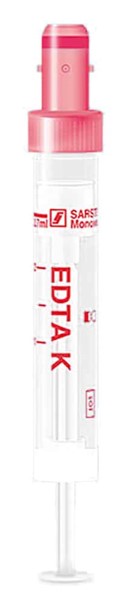
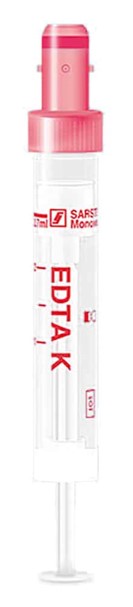
Open vs closed systems
Some situations involve the use of an open system (and historically this is what we generally used before closed system sampling)
BUT
Open systems pose more risk of contamination and needlestick injury.
SO
BD Vacutainer minimised these problems by creating a closed system of sampling.
BUT
The vacuum can put a lot of pressure on fragile veins causing them to collapse.
SO
S-Monovette developed a syringe system for more fragile veins.
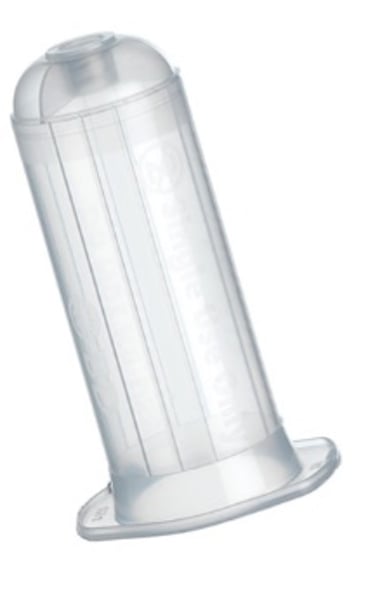
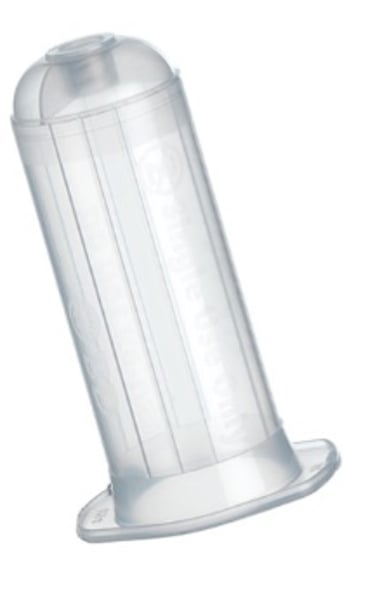
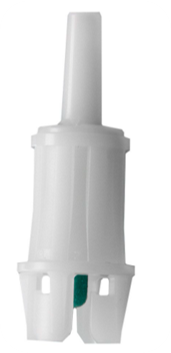
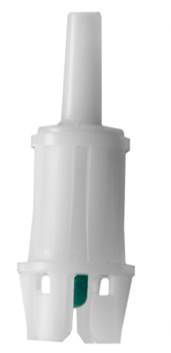
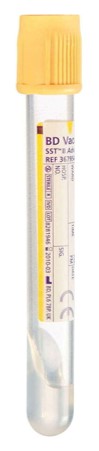
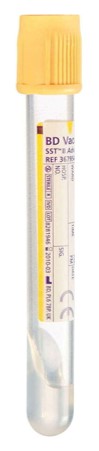


All the benefits of open sampling within a closed system!
Some do's and don'ts of handling sample tubes.
DO insert window facing up. Fill lines are important
DO NOT underfill (ratio of blood to additive can cause sample damage or inaccuracy in certain blood samples)
DO NOT stick labels over windows
DO NOT obscure colours on the label
DO NOT pre-label
DO NOT take lids off and release vacuum, or re-use if unsuccessful first time
DO check expiry dates
DO remove all sample tubes before removing needle from site
DO handle vials with care – Invert, don’t shake / drop
DO store correctly before transportation: Temp? Light? Orientation?
DO NOT expose samples to extreme heat or cold (unless specified)
DO manage vacuum and forces on blood cells to avoid heamolysis (destruction of red blood cells)
DO use correct size of needle for vein and be careful with tourniquets – more about this later.
DO pick the right tube for the right request and the right vial for the right needle and take the right amount for the right tests!
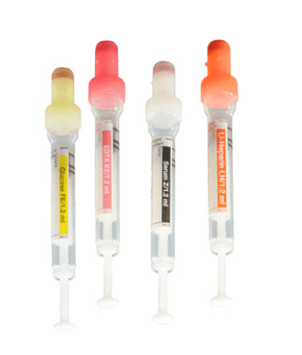
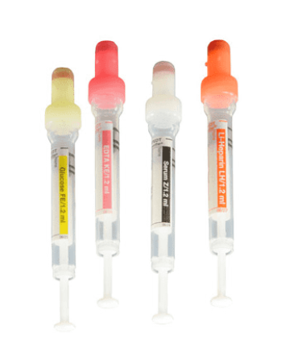
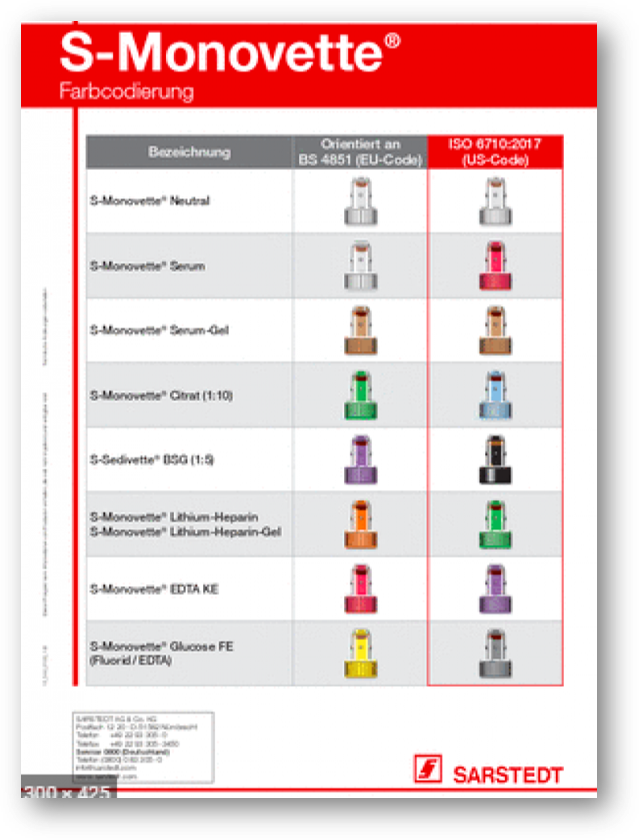
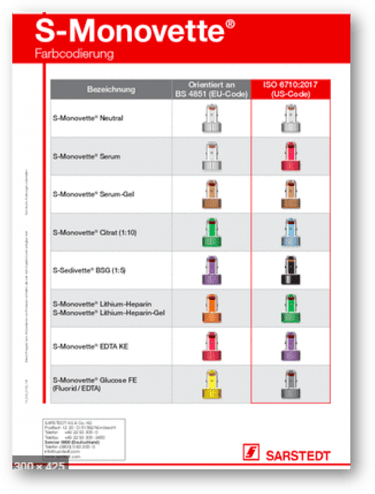
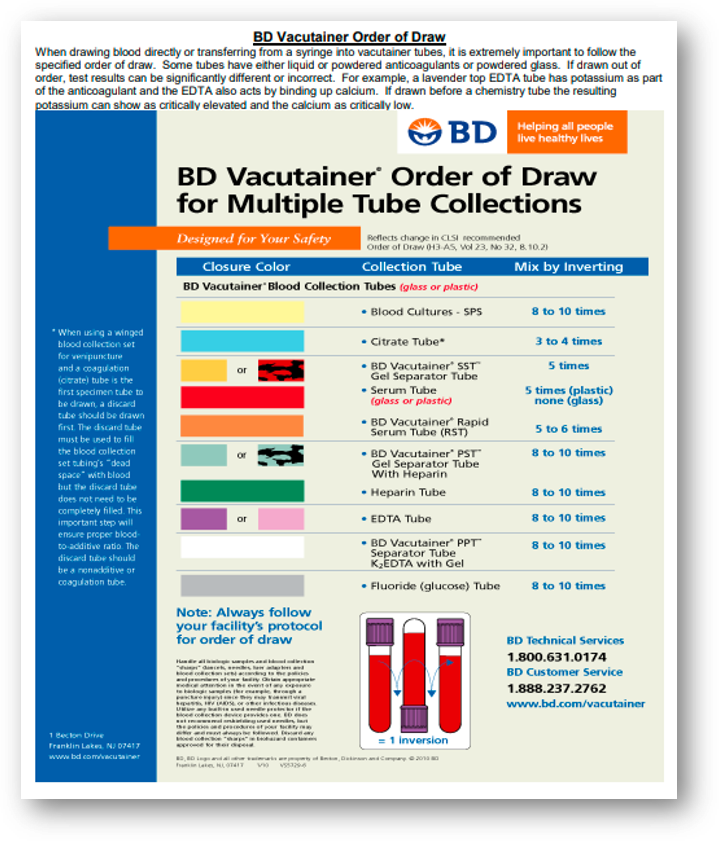
Order of Draw is also IMPORTANT!
Note inversion amounts too.
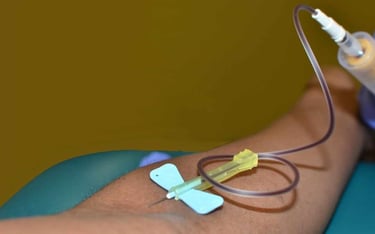
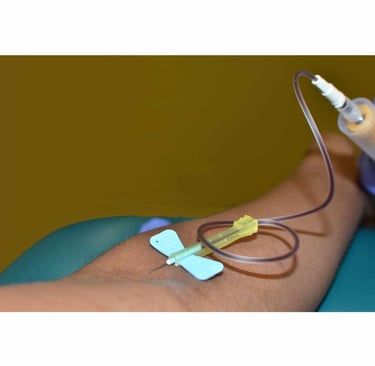
Don't forget a DISCARD or PURGE tube if indicated – prime your line if volume is specific!

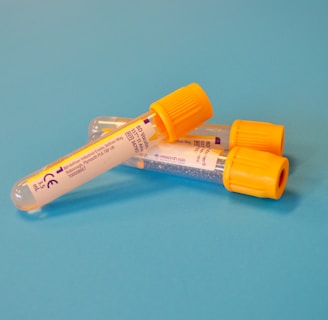
One of the most dangerous mistakes is not actually a procedural or clinical error – IT’S BAD DOCUMENTATION AND LABELING!
It’s a skill in itself writing on these!
Needles
Features:
Size matters! Important to consider the size and stability of the vein against the size of the needle
Most common for adults is 21g green or 22g black. Needles can be much smaller for infants or REALLY tricky veins, and much larger for blood donation
Use 23g blue (or smaller) for extremities / small veins / young children / frail veins
Straight or butterfly or syringe? Preference / cost / anatomy / age of client / compliance
Safety needles can protect by up to 75% more
Always insert bevel UP (facing you)
Always check expiry
Handling of needles:
Connecting to hubs: Assemble first – careful now! Needles are double ended (unless using open systems with syringe). Hubs are a safety feature
Do not expose needle until ready to puncture
Do not twist to remove cap
Taking blood from IV cannulas? – only on insertion
How to hold them? PRACTICE LOTS on something that doesn’t care before stabbing an actual person
How far do you go in? Avoid transfixation
Keep Steady!! Use your knuckles
Don’t probe. Only move forwards and backwards – NOT sideways!
DO NOT disassemble after use – entire unit goes in sharps bin
Practice as much as you can: inserting, anchoring, inserting sample vials, removing tourniquets while holding needles steady – all the motions
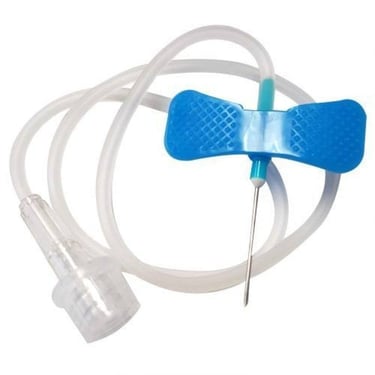
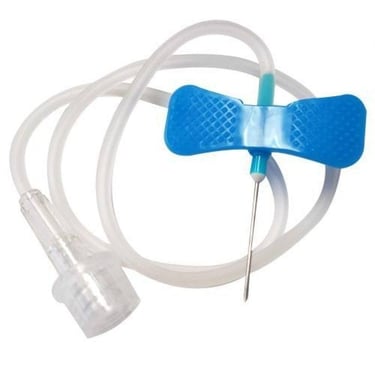
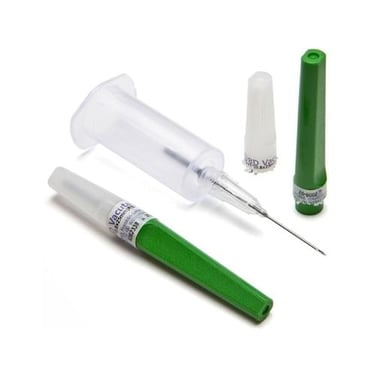
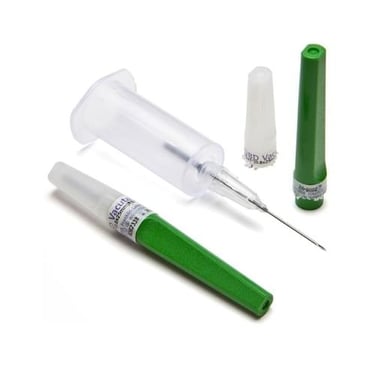
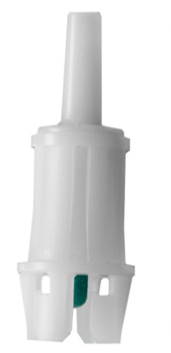
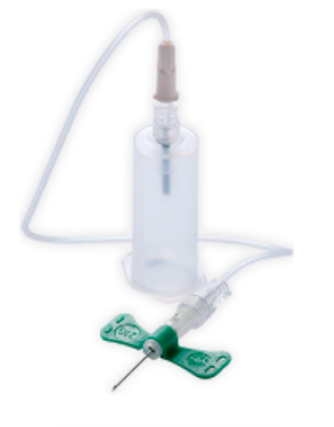
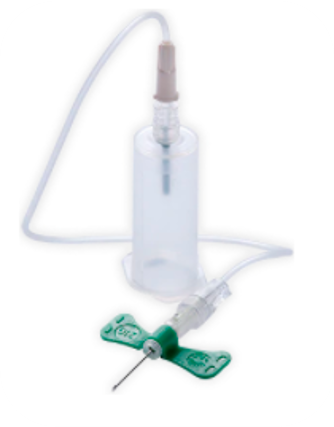
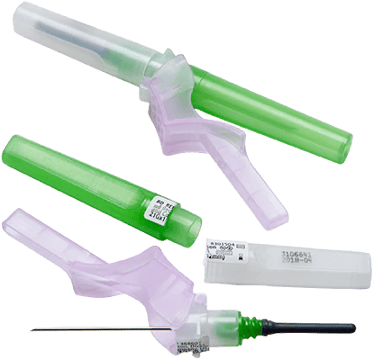
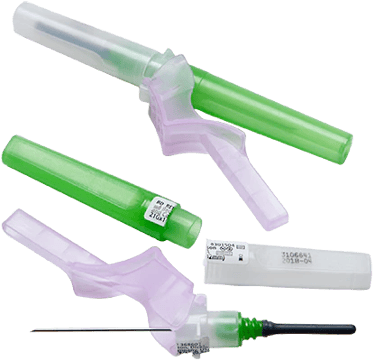
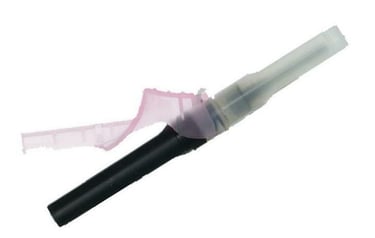
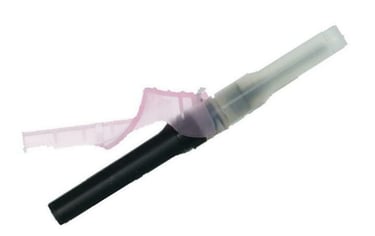
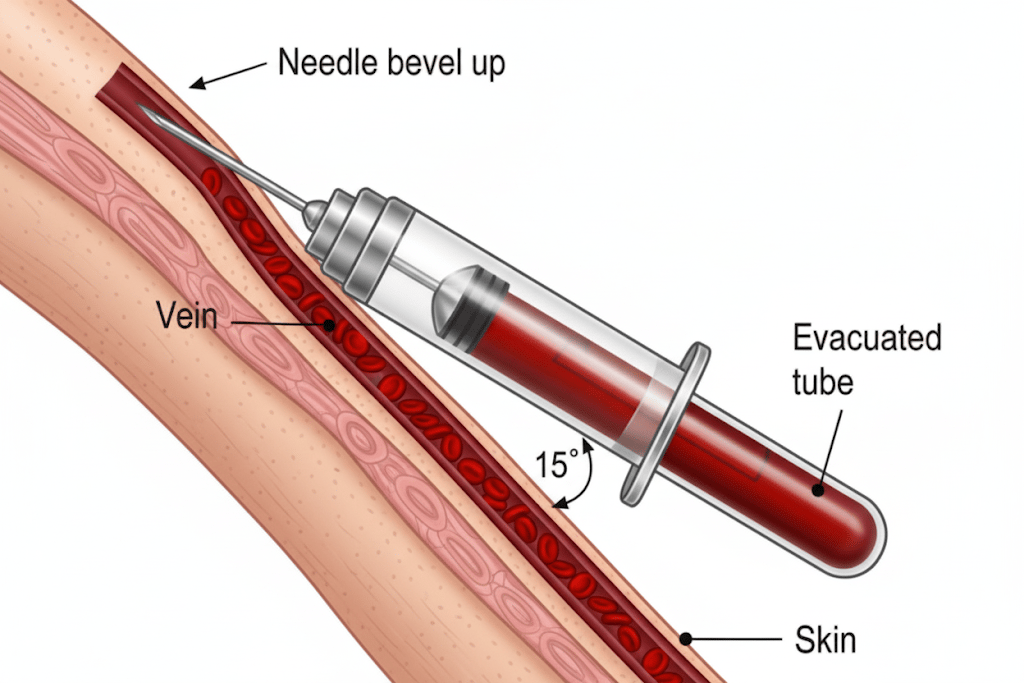
Knowledge check!! Is this the right way up for the bevel?
Other Equipment
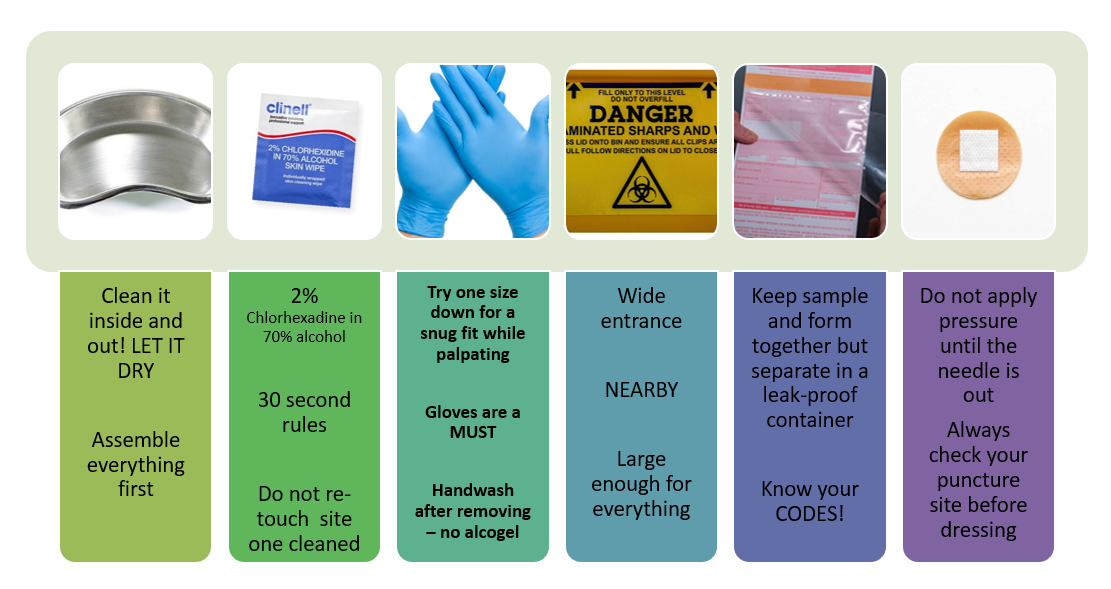
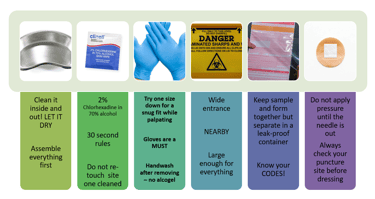
Why is infection control so important?
Who is most at risk?
What could the consequences be of a contaminated sample?
Ensure you have completed more broad infection control training if you are new to clinical practice in general. Also ensure you know your sharps incident policy. Don't wait for a needle stick injury to find out what to do!
What other important phlebotomy tool is missing here?
HOME - BLOOD - EQUIPMENT - ANATOMY - COMPLICATIONS - PREPARATION - VIDEOS - COURSE CLOSURE