
If you are looking at this as part of a wider immunisation course, please choose the right course to return to! (you will need to re-enter the password given out on the course)
If you are here for a standalone flu/COVID-19 course you do not need any passwords, just the link to this webpage

Influenza & COVID-19

Also see foundation course handout here
The videos below explain the basics of each disease if you need a refresher or are starting from scratch
INFLUENZA
COVID-19

Vaccine uptake for all clinical risk groups needs to improve. The data above is concerning seeing as UKHSA published modelling estimates which suggested that flu vaccination had prevented approximately 100,000 hospitalisations in the 24/25 season in England. And more recent modelling indicated that, in England, the 25/26 vaccination programme prevented an estimated 104,000 hospital admissions and 7,100 deaths.
Sadly, we hit the 25/26 flu season five weeks earlier than usual (the most early season in 20 years). Australia experienced a severe winter; France and Japan also reported very high activity. There was a mutated A strain in the summer (influenza A H3N2 subclade K) which is always a risk when deciding on vaccine strains so far in advance. Hence, 25/26 was a VERY challenging season. That strain is now in this years vaccines.
Antigenic shift and drift can be a real problem for both COVID and Flu (see video below if you need a reminder on what these terms mean).... Fortunately the 25/26 vaccines maintained their effectiveness. PHEW!
Influenza
Every year we eagerly await the 'flu letter' so we know what we are doing in the coming season.
The 26/27 flu letter arrived 26/2/26. An amendment arrived 10/06/26. New eligible cohort from 1 October 2026: people aged 16 years and over experiencing homelessness, defined as rough sleepers and those using homeless hostels or night-shelters. The Green Book chapter has been updated to reflect this, and NHSE will issue further guidance on this cohort in due course.
The staggered start continues for 2026/27. Pregnant women and eligible children from 1st September and the main adult programme starts from 1 October because protection wanes over time and later vaccination should give better protection through the peak flu period. A small number of adults may appropriately be vaccinated from September following clinical assessment - for example, someone about to start immunosuppressive treatment.
It's a massive undertaking to deliver the flu programme.
As of 23rd October 2025 we had vaccinated over 10.4 million (10,436,395) people against flu and almost three million (2,987,313) people against COVID. By 8th Jan 2026 over 18.6 million eligible people were vaccinated. BUT vaccine uptake across all groups has consistently dropped since lockdown times.


Where is this data from? Check out the GP patients uptake here and frontline healthcare workers here. Find the kids programme data here.
Why the need for boosters? New vaccines?Antigenic Drift and Shift: How the Influenza Virus Adapts




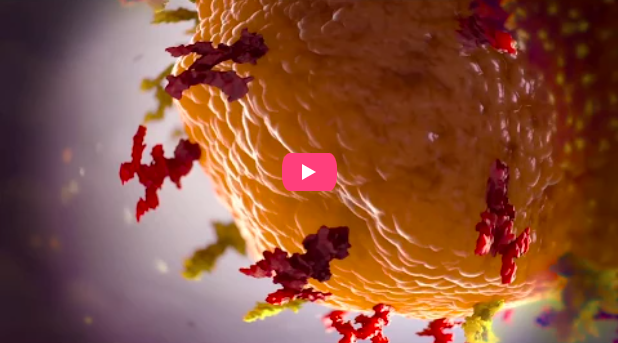
SARS COV-2 has changed a lot too. If you want to REALLY geek out try this website...



If you are particularly keen on the ins and outs of virus changes, also check out the section on SARS COV-2 epidemiology from the Green Book
Information on new variants under investigation is included in the weekly National flu and COVID-19 surveillance reports (again, if you are interested in this kind of thing!)
But back to flu. Let's take a closer look at the flu vaccines...

Ovalbumin content
PREVIOUSLY: LESS THAN 0.12MCG/ML = SAFE TO VACCINATE (equivalent to <0.06mcg for 0.5ml dose) BUT things are changing! Evidence shows that people with egg allergy are not actually at an increased risk of severe allergic reactions to egg-based influenza vaccines. Based on this, JCVI advises that egg allergy is no longer a contraindication to any influenza vaccine used in the UK and there is no need to ask about egg allergy before administering an influenza vaccine (although remain cautious that some people might also be allergic to a different component in the vaccine). Whilst the Green Book chapter has been updated (27/08/26) to reflect this for the 2026 to 2027 season, patient leaflets, informed consent forms and other resources (including PGDs and VGDs) will not be updated until next season (according to the Info in the latest Healthcare practitioners guidance).
Porcine Gelatine Content
Fluenz (nasal flu- LAIV) contains a small amount of highly purified porcine gelatine. This vaccine is the most effective option for children aged 2 and older but there is the (LESS effective) injectable alternative if required.
So, think carefully about how these conversations are had.... here's a blog I wrote with some practical tips for you on gelatine.


Quick tips: Note the little black triangles... When providing patients with details of the vaccine, it is good practice to give them details of the brand and batch number. This will allow patients and carers to more accurately report suspected ADRs to the Yellow Card scheme.
Did you know?
Due to the MF59 adjuvant, a higher incidence of mild post-immunisation reactions has been reported with aIIV, compared to non-adjuvanted vaccines
In clinical trials, some side effects were reported slightly more frequently after vaccination with IIV-HD than after standard-dose inactivated flu vaccines
Quick bit of history: IIV = inactivated influenza vaccine. Previous years have seen QUADrivalent vaccines (4 strains) but 25/26 said goodbye to the Yamagata B strain (due to not circulating for a while) and all UK vaccines are now TRIvalent. if you are relatively new to this, you may still hear flu vaccines being referred to as 'QIV' (quadrivalent influenza vaccine) or 'TIV' (trivalent influenza vaccines) ... more seasoned flu vaccinators have had to change their terminology a lot over the years, so if a 'TIV' slips in instead of an 'IIV' on occasion - you know what it means!! The changes to terminology were about future-proofing consistency of language to avoid confusion down the line. Makes sense, but some us us feel that IIV doesn't quite roll off the tongue the same as TIV or QIV...linguistics eh? Also instead of "first line/second line" the language has changed to 'preferred" when discussing who gets which vaccine.
Quick bit of future: Flu vaccines 2027 to 2028: JCVI advice is here... check out the addition of aIIVc - and a possible (but-unlikely-due-to-cost) mRNA flu vaccine!
Eggs, pigs, 'microchips', dogs, sharks and moths...
The complicated world of vaccine contents - myths, half-truths, and reality.

FYI I wrote a blog going into more details about the supply disruption this year with some TIPS for managing it all here
Want to know more about vaccine production?
Sanofi (the first company to make a flu vaccine) made a video tour...
Watch this!
IMPORTANT 2026/27 SUPPLY UPDATE (26/08/26): Manufacturing and supply problems mean some inactivated flu vaccines are limited or arriving later than planned. For this season, IIVc and IIVr should be prioritised for younger adults (under 50), with aIIV and IIV-HD preferentially used in the over 50s where appropriate. But, if aIIV or IIV-HD are unavailable, it is better to vaccinate an eligible person with another JCVI-preferred vaccine for their age group than risk them remaining unvaccinated. See this link for the reference.
3/9/26: All vaccines supplied by UKHSA for the 2026 to 2027 children’s flu programme are now available to order on ImmForm
QUICK TIPS & REMINDERS & KEY DATES! (if this is not your first rodeo)
In 25/26 aIIV became licenced from 50 years
LAIV now includes PGD provision for up to 25y in SEN schools.
JCVI advise prioritising 2/3 year olds for 26/27. Community pharmacy got involved for the first time with child flu vaccinations in 25/26. Community pharmacy service delivery for 2- and 3-year-olds will begin from 1 October 2026, supplementing the offer in general practice which will start vaccinating from the 1 September 2026.
Community pharmacy service delivery for children in clinical risks groups (from 2 years to less than 18 years) will begin from 1 October 2026, supplementing the offer by school-aged immunisation services (SAIS) providers, and in general practice and who will both start vaccinating from the 1 September 2026, or as soon as vaccine is available. NOTE: Children in clinical risk groups from 6 months to less than 2 years cannot be vaccinated by a community pharmacy.
For school-aged cohorts, vaccination should be completed by the 11th December 2026. Community pharmacy service delivery for school-aged children who missed the opportunity to be vaccinated by SAIS providers will begin from 1 December 2026
Parents of any child at risk from flu because of an underlying medical condition can choose to receive flu vaccination in general practice, especially if the parent would prefer this, the child missed the session at school, or they do not want their child to have to wait for the school vaccination session
There are some firm words in the flu letter about planning to do more for uptake in 26/27, especially in under-served groups. The new GP contract aims to address these inequalities (and QOF) more fairly.
NHSE has published the GP additional guidance for seasonal vaccinations 2026/27. This provides information on recording COVID-19 and influenza vaccination events and payments, including where practices are collaborating in their PCNs. In previous years this guidance has only covered the influenza programme. For 2026/27 it has been expanded to cover both the COVID-19 and influenza programmes.
There have been TWO changes to the JCVI advice for adult flu vaccines for 26/27. Firstly, in those aged 65 years and older, IIVc should be considered equivalent to allV, llV-HD, and IIVr. And secondly, in those aged 50 years to 59 years in clinical risk groups, IIV-HD can be used off-label (60+ licence).
IIVc, IIVr, and aIIV are not licensed for subcutaneous administration so should only be administered intramuscularly.
Those aged 64 years who will become 65 years old before 31 March 2027 are eligible.
NEW legal mechanisms! Goodbye to National Protocols and hello to the VGD! (and also the PGD has landed). PGD and VGD templates for the administration of flu vaccines now combine IIV and LAIV vaccines.


Keep an eye out for useful cheat sheets!!
Published 20th July 2026
Published 3rd September 2026

• LAIV is different from other flu vaccines – it is the only live attenuated one, and is nasally administered so must not be injected
• Do not attempt to attach a needle - and, yes, some people have done this eek ;-(
• Fluenz can be administered at the same time as, or at any interval from other vaccines including live vaccines
• Patient should breathe normally - no need to actively inhale or sniff
• The vaccine is rapidly absorbed so no need to repeat either half of dose if patient sneezes, blows their nose or their nose drips following administration
Nasal Flu Vaccine
Administration of flu vaccines: Watch these videos if you are feeling rusty, or are completely new to this!
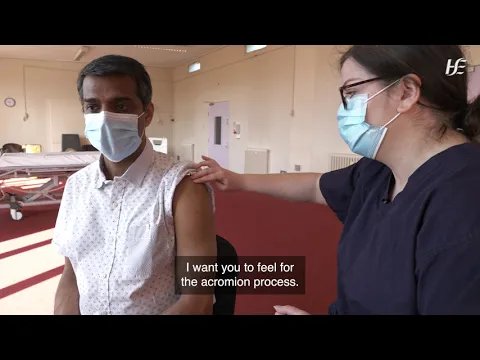
IM administration
Note she doesn’t actually insert the needle in this demo (don’t forget to put it in!!!)


CLINICAL RISK GROUPS: WHY THE LOW UPTAKE?
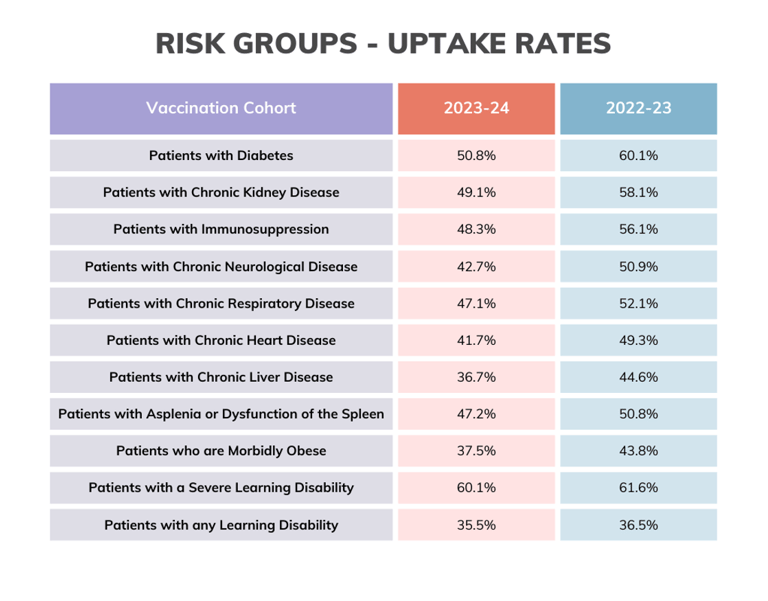
For a number of years, only around half of patients aged 6 months to under 65 years in clinical risk groups have been vaccinated.
Results of above study: "Access was NOT the primary issue underlying suboptimal vaccine uptake among participants in clinical risk groups, who instead cited low-risk perceptions of influenza infection and deficits of information about the relevance of vaccination for their condition management. Healthcare providers in non-primary care settings rarely discussed or recommended influenza vaccination across patient pathways, despite being able to address the concerns raised by participants in clinical risk groups." (I.E. vaccine uptake is not just about putting on the late night and weekend clinics! People may well make more efforts to show up if they know WHY they should. For example, individuals in any clinical risk group are 11.3 times more likely to die from flu than those not in a risk group).
Quick tip! Phone calls can be more effective than letters when inviting people in - but plan phone calls after 4pm when more working people might be available. UKHSA advises to 'be tenacious' – make multiple contacts until immunised! Remember, if clinically indicated, vaccination can be given up to the end of March (although ideally much sooner!).

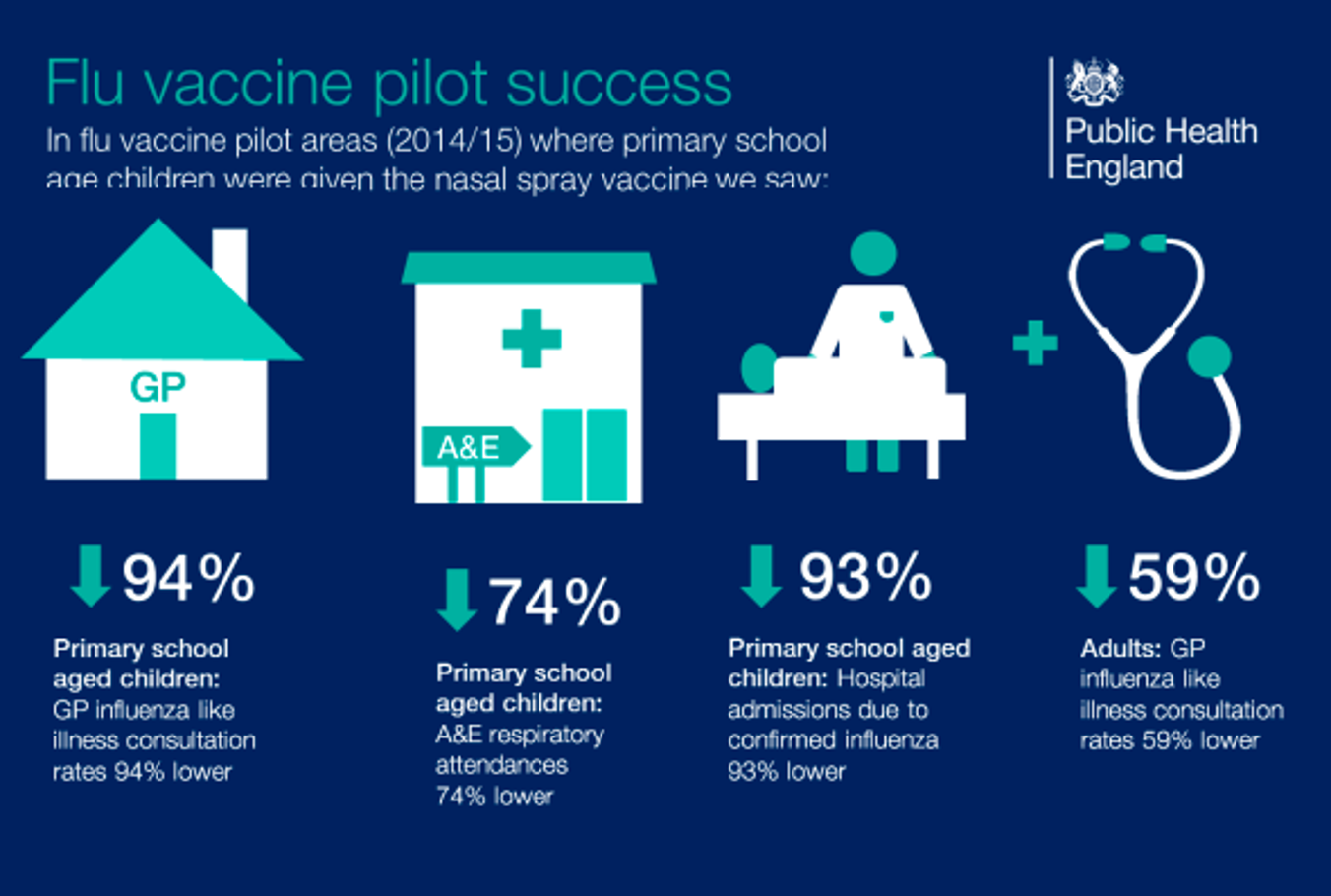


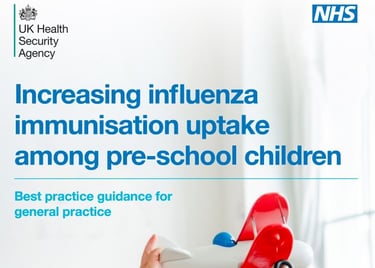
TIP! Many of the ideas in here can also be used or adapted for older adult/clinical risk patient flu clinics
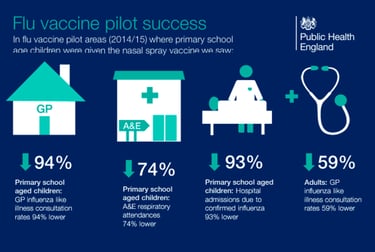
Low uptake in children too! WHY? (when it's so valuable to them....)

Flu vaccination in adult social care settings
Within the 99.1% of older adult care home providers who had updated their seasonal vaccination data as of 16 February 2026:
11.3% of total staff are known to have received a flu vaccination for the 2025 to 2026 season
66.7% of total residents are known to have received a flu vaccination for the 2025 to 2026 season
Within the 99.0% of younger adult care home providers who had updated their seasonal vaccination data as of 16 February 2026:
9.1% of total staff are known to have received a flu vaccination for the 2025 to 2026 season
54.5% of total residents are known to have received a flu vaccination for the 2025 to 2026 season
53.5% of frontline HCWs in GP practices received a vaccine in 25/26
45.0% of frontline HCWs in NHS trusts received a vaccine in 25/26
Vaccination of health and social care workers:
Protects us and reduces the risk of spreading flu to our patients, service users, colleagues and family members.
Significantly lowers rates of flu-like illness, hospitalisation and mortality in the elderly in long-term healthcare settings
Reduces transmission of flu to vulnerable patients, some of whom may have impaired immunity and may not respond well to their own immunisation
Helps reduce sickness absences and contributes to keeping the NHS and care services running through winter pressures.
Frontline health and social care workers have a duty of care to protect their patients and service users from infection. NHS and social care bodies have a responsibility to ensure that health and social care workers are free of, and are protected from exposure to infections that can be caught at work (Health and Social Care Act 2008, Code of Practice on the prevention and control of infections). All frontline health and social care workers should be offered a flu vaccine as part of the organisations’ policy. Employers have a responsibility to help protect their staff and patients or clients and ensure the overall safe running of services. Employers should commission or implement a service which makes access to the vaccine easy for all frontline staff, encourages staff to get vaccinated, and monitors the delivery of their programme.
It is powerful to be able to say to patients “I’ve had mine”
Reflection points for consideration (perhaps for ALL routine vaccines)
Do you know your local uptake figures?
In YOUR clinic, which are the most difficult groups to reach? Why?
Do you see similar results/patterns to the national figures?
What other vaccines might these groups be missing out on?
Do YOU have yours?

COVID-19
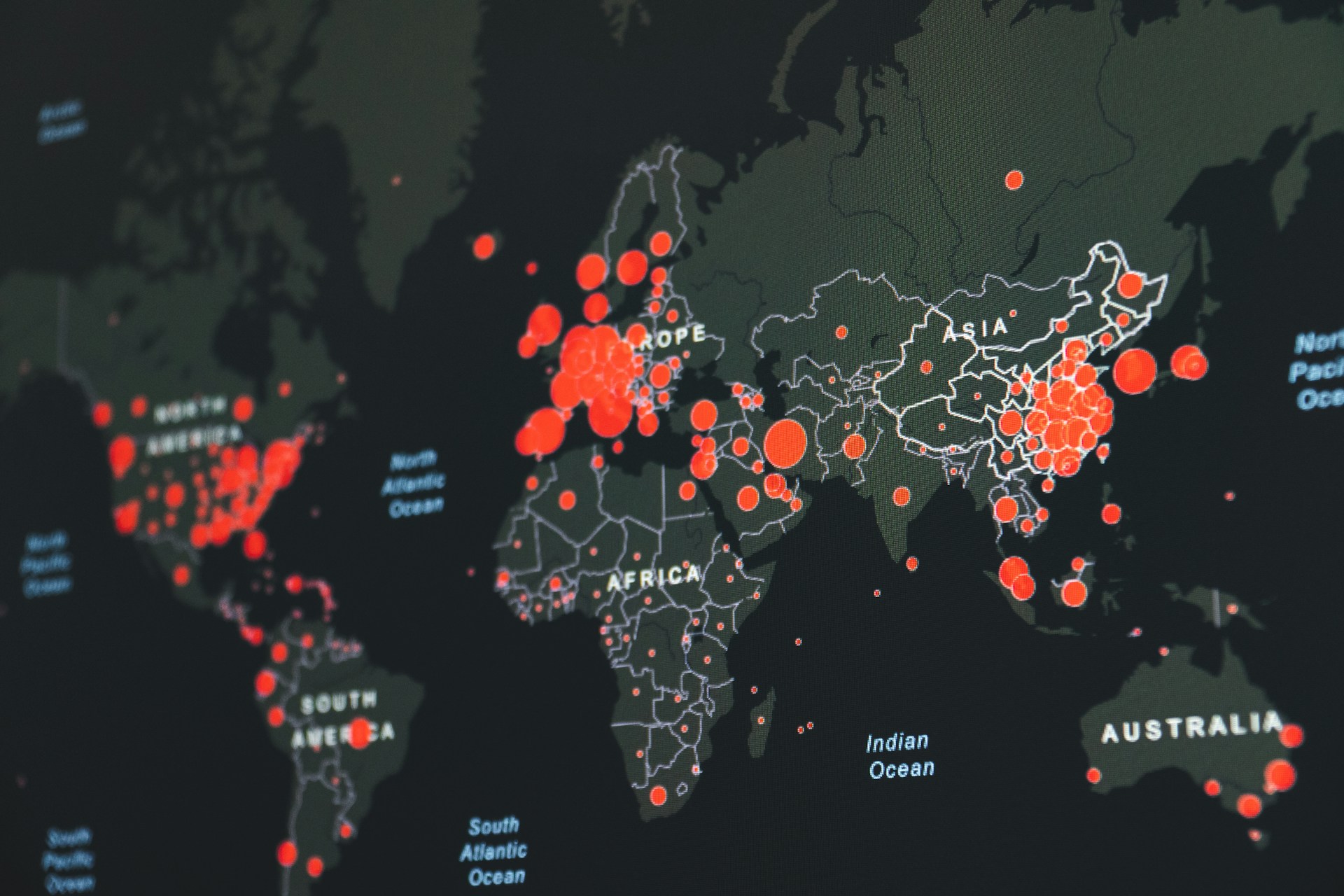
What a fabulous testament to vaccines and vaccine development: At least 15–20 million lives saved globally in the first year alone - and many more since - according to the modelling.
The primary aim of the national COVID-19 vaccination programme remains the prevention of severe illness (hospitalisations and deaths) arising from COVID-19, but, as the currently available COVID-19 vaccines provide only limited protection against mild and asymptomatic disease, and most people have developed a degree of immunity now, the focus of the programme is now on offering vaccination to a more limited cohort who continue to be most vulnerable and are most likely to directly benefit from vaccination.
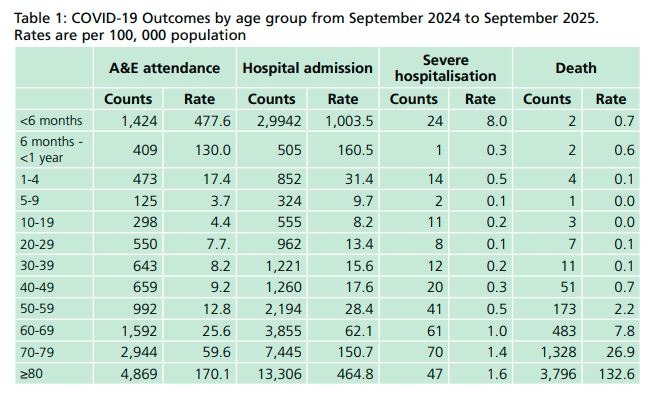
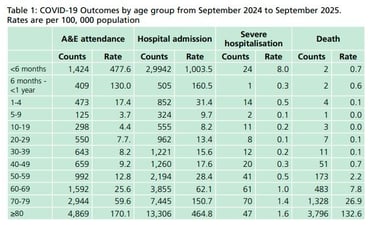
80% of deaths have been in those aged 70 years and over (check out the table below) and most of the excess all-cause mortality consisted of older age groups with more than 90% of excess deaths in those aged over 75 years. The highest hospitalisation rates and mortality continue to be seen in the elderly, particularly in those over 85 years of age.
Heads up: This statement from JCVI arrived on 16th July 26 in this link: COVID-19 vaccination in autumn 2027. "JCVI advises that in autumn 2027 vaccination should be offered to adults aged 80 years and over, residents in a care home for older adults, and individuals aged 6 months and over who are immunosuppressed."
Hence, vaccine eligibility is now focused on preventing severe disease in the most vulnerable
For autumn 2026 and spring 2027, eligibility is adults aged 75 years and over, residents in care homes for older adults, and immunosuppressed individuals aged 6 months and over. Vaccination should usually be offered around 6 months after the previous dose, although there is operational flexibility, with a minimum interval of 3 months.
The autumn 2026 programme runs from 1 October 2026 to 31 January 2027, alongside the flu programme. Find updated leaflets and stickers here for the autumn campaign!!
COVID vaccination now also has a year round pathway for some people who are eligible for catch-up or additional doses outside the announced seasonal campaign periods, subject to Green Book eligibility and clinical judgement. The year-round programme (for certain groups only) began on Wednesday 1 July using Comirnaty, with vaccine requested via ICBs.
Check out some of the vaccines using the helpful poster below. On the 16th Sept, just a couple of weeks prior to delivery, there were COVID updates galore!!! Updates were made to the Green Book and info for healthcare professionals doc - plus we now have a PGD and a VGD!! ELfHC was updated and published on 23rd Sept. Have a good browse. XFG variant vaccines are now here. Plenty of ongoing research. Hundreds of vaccines in development and vaccines are evolving – bivalent options, new variants, ?boosters, nasal options? Combined vaccines? Annual doses? Where is the 2 in 1 COVID and flu jab up to? Could this be with us soon?


Useful videos & resources for further learning

Keeping up with changes & training standards. Here are your key resources:

National minimum standards and core curriculum for vaccination training. For all healthcare staff with a role in delivering vaccination programmes (June 2025)
The COVID-19 Green Book Chapter. Here is the Flu Chapter too.
The GP enhanced service specifications for the seasonal influenza vaccination programme and childhood seasonal influenza vaccination are published on the NHS GP contract web page.
Regularly check the UKHSA ‘Annual flu programme’ webpage during the flu vaccination period as any further information that becomes available about the programme will be published there
COVID and Flu PGDs and VGDs (national templates - always work under your locally authorised ones)
Find campaign resources HERE and HERE. And check out the hesitancy and uptake page on alyssclassroom.co.uk for more ideas for promoting vaccines.
Visit my news pages and vaccine portals for frequent updates on alyssclassroom.co.uk
These are very valuable guidance documents for any vaccines and here is the one specific to Flu: Flu vaccination programme: information for healthcare practitioners and here is the COVID one: COVID-19 vaccination: information for healthcare practitioners
Summaries of Product Characteristics (SmPC) for ALL flu and COVID vaccines are available in the EMC. (Although Green Book, PSD, PGD, and VGD instructions take priority).
Vaccine Knowledge Project for great information to give to the public to learn from
Vaccine update: issue 375 is a flu special. Published 8 September 2026
And don't forget! Pandemic disruption has left much catching up to do with other vaccines. Always be on the lookout for missed vaccines!
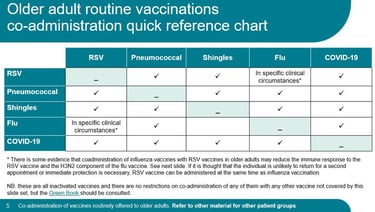
Giving more vaccines?
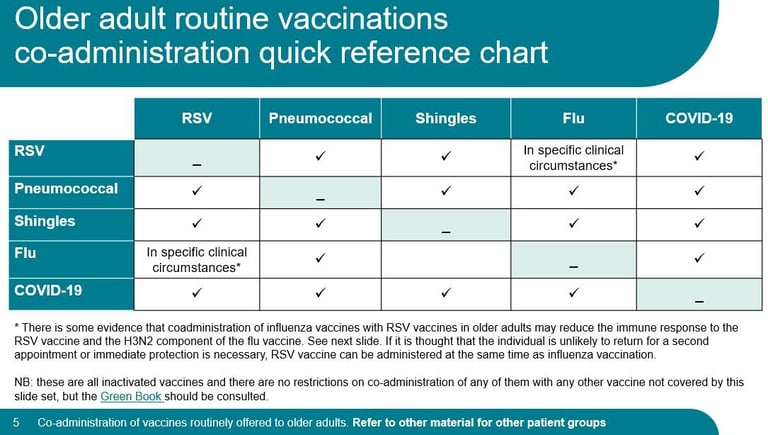
Click here for a useful UKHSA slideset about co-administration of adult vaccines from April 2026 (scroll down about a third of page to the heading 'Routine immunisation schedules')


Steve's Story.
Steve is 77
When he was 73 he developed meningitis and was hospitalised and in ICU for 7 days
Very nearly died. Long term sequalae since
Cause: Pneumococcal bacteria
Knowledge check: Do you know when he would become eligible for the pneumococcal vaccine on the NHS?
FINALLY given it age 75 (with Shingles vaccine – also late)
Multiple opportunities missed. Had EVERY COVID AND FLU VACCINE OFFERED. Never invited for the others. No-one noticed the other missing vaccines.
And it gets worse…. After the hospital admission, TTO on discharge accidentally missed out Candesartan. 7 days without it (absolutely no medical consequence though in this case).
Hospital realised. Incident form done, apology letter sent to Steve, phonecalls from Dr to apologise etc etc. But not a single mention of the missed pneumococcal vaccine (which COULD have led to the admission in the first place).
Why do we not take missed (or declined) vaccines as seriously when people can suffer and die from those diseases without them? Vaccines are important preventative MEDICINES too that people are eligible for and ENTITLED to – not without good reason! Whatever your scope of practice, learn to spot and highlight missing vaccines! Whatever vaccines you are giving you will automatically be seen as an authority on vaccines. Big responsibility.
Keep up the awesome work!!